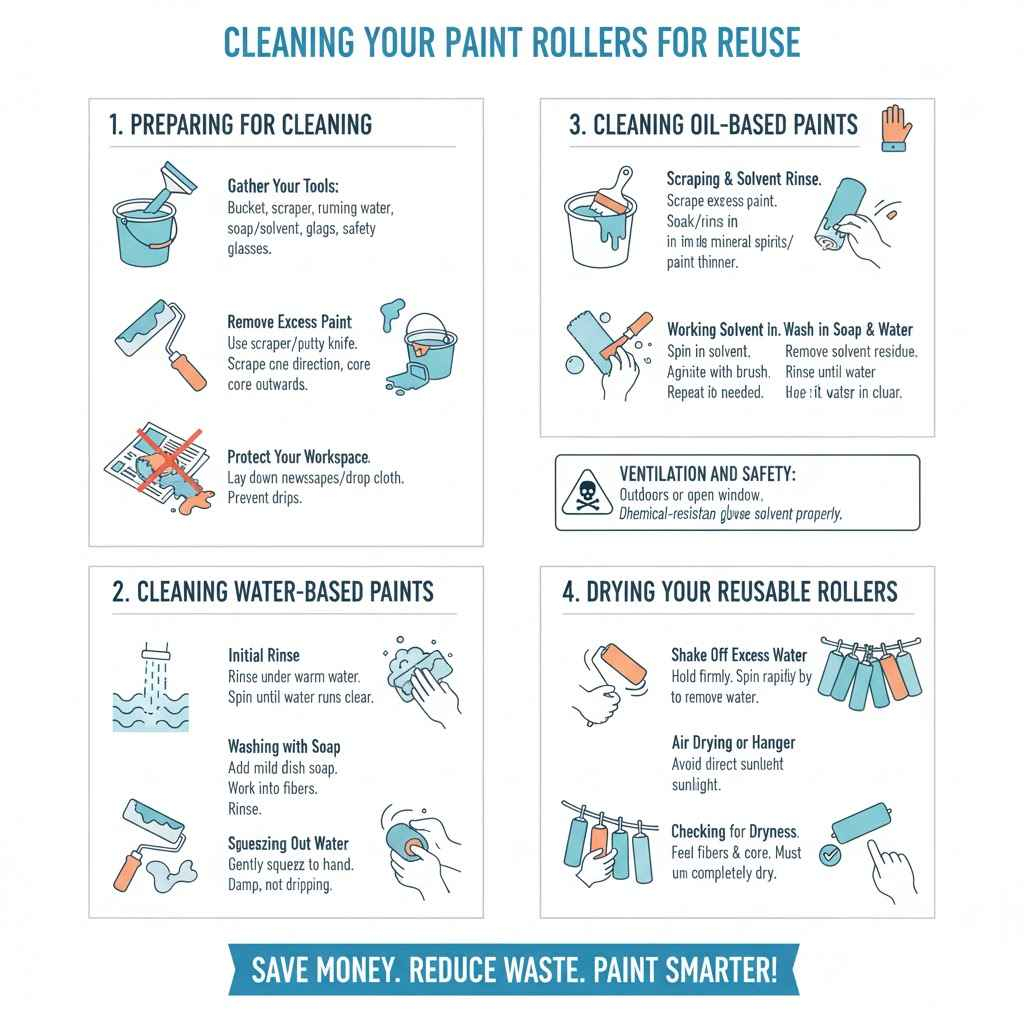
A reusable roller cover is easier to clean while water-based paint is still wet. The useful sequence is to identify the coating, remove excess paint, wash the cover separately from the frame, rinse it, and let everything dry before storage. Cleaning promptly also lets you decide whether the cover is worth keeping before hardened paint turns the next project into a struggle.
This guide is for ordinary household painting with a coating whose label specifies soap-and-water cleanup. It does not provide a solvent-cleaning procedure for oil-based paint, a method for restoring a fully hardened cover, or permission to dispose of painting waste through household drains.
Read the cleanup instructions on the actual paint
Find the cleanup directions on the can or the manufacturer’s product information before putting the roller into water. Product names and finish descriptions do not establish the correct cleaning method. If the label specifies a different cleaner, stop and follow that product’s instructions instead of extending this water-based procedure to it.
Sherwin-Williams’ brush and roller cleaning guide distinguishes soap-and-water cleaning for water-based latex or acrylic paints from solvent cleaning for oil-based or alkyd paints. It also recommends cleaning as soon after painting as possible because dried paint becomes harder to remove.
Read the roller cover’s care directions as well. Keep the paint can available while cleaning so you can check its instructions. If you cannot identify the coating left in a used roller, do not experiment with a mixture of cleaning chemicals.
Prepare the cleanup area before removing the cover
Set up a protected work surface with a bucket for washing, a separate supply of clean rinse water, towels, and a place for the tools to dry. Choose protection and handling precautions specified by the paint and cleaning-product labels. Keep the work area away from food preparation and where children or pets could reach the waste.
Plan how to handle the wash water before creating it. Local requirements and available collection services vary. Do not assume that a product described as water-based makes every cleanup residue suitable for a sink, septic system, yard, or storm drain.
The US EPA’s household hazardous waste guidance advises following product disposal directions and contacting local environmental, health, or solid waste agencies. Use the rules that apply to your coating and location rather than a universal disposal shortcut.
Remove excess paint while it is still wet
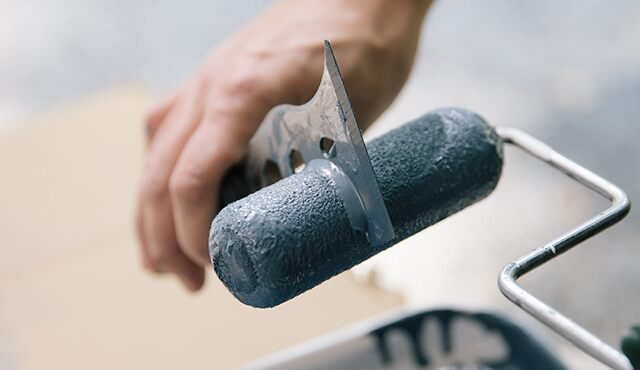
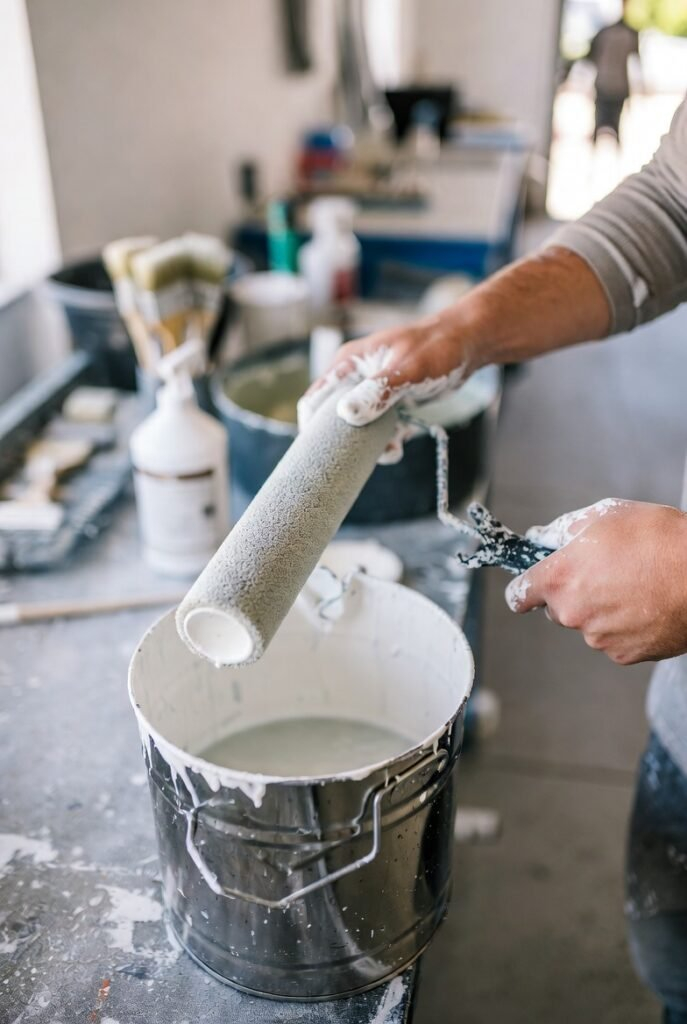
Sherwin-Williams recommends removing as much paint as possible before washing. Its guide describes returning excess to the paint can and using a roller scraper or similar painting tool. Work gently over the container, using a tool suitable for the cover rather than crushing or tearing its fibers.
Only return paint that remains suitable for the can. Keep wash water, soap, debris, and material from another color out of the stored paint. If the remaining coating is contaminated, keep it with the appropriate waste instead of treating every last drop as reusable.
Remove the cover from the frame using the frame’s normal release method. Protect the surrounding surface from drips and keep the cover supported. Do not pry aggressively against the cover’s core if it will not move; check the frame design and any dried buildup first.
Wash the cover in a bucket of soapy water
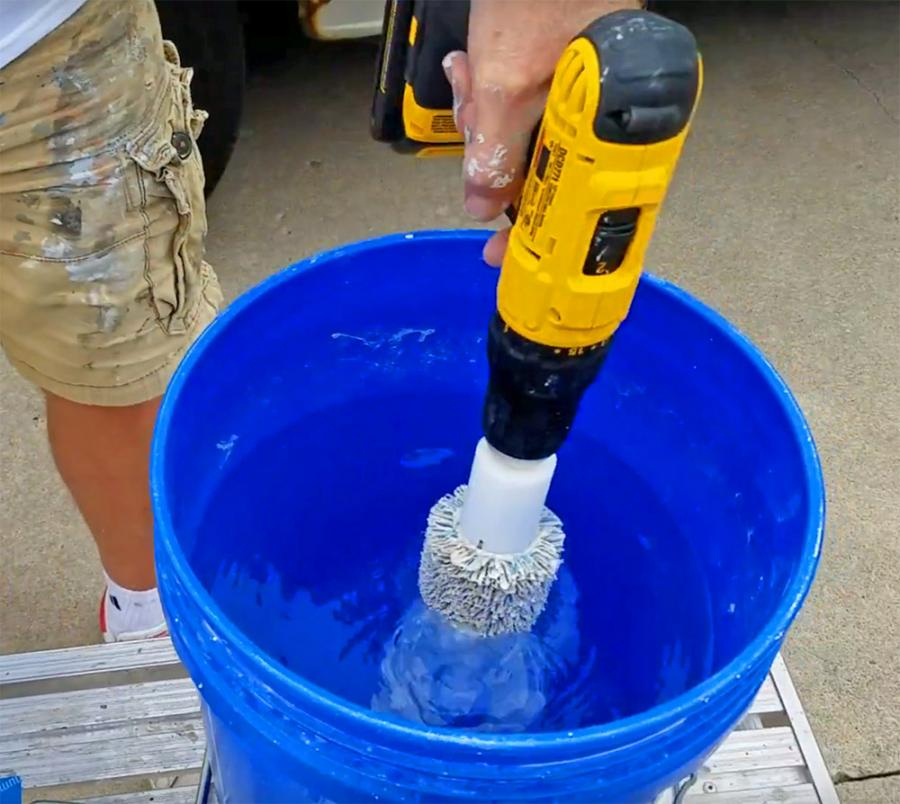
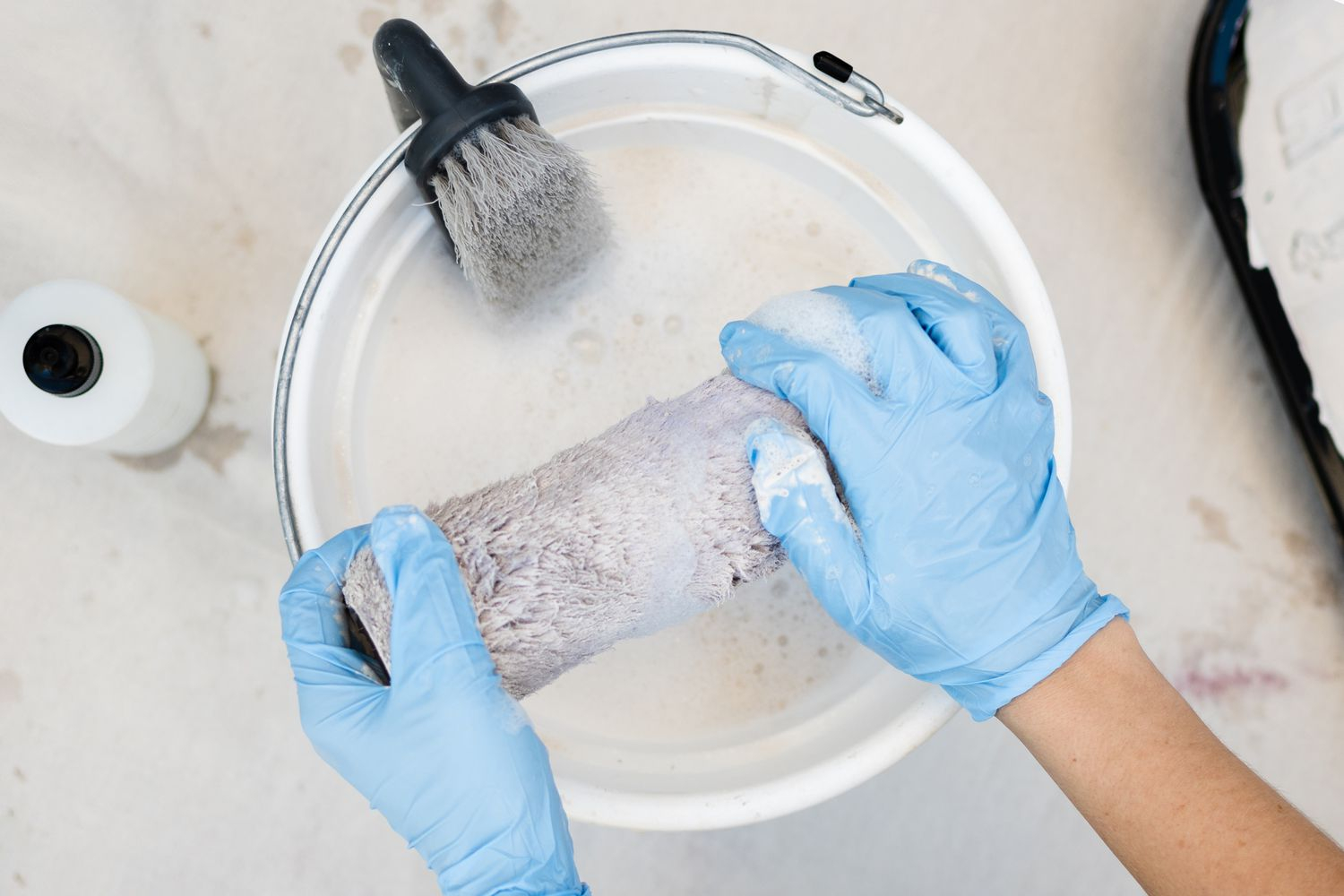
For the compatible water-based coating, Sherwin-Williams describes washing tools in a bucket with soap and water and refreshing the solution as needed. Work the wet paint out of the cover gently. Treat the whole working surface, including the ends, while keeping the fibers and core intact.
Change the wash solution when it becomes too loaded with paint to clean effectively. A roller sitting in heavily colored water is not necessarily becoming cleaner. Keep the used liquid contained for handling according to the coating instructions and local waste guidance.
Inspect the cover as you go. Look for paint still lodged near the ends, hard particles, damaged fibers, or separation of the cover from its core. A dirty area that remains stiff after ordinary washing is a reason to reassess reuse, not an invitation to add an unverified stronger cleaner.
Rinse the cover and clean the frame separately
After washing, rinse the cover thoroughly with clean water to remove loosened paint and soap. Sherwin-Williams includes a thorough rinse in its cleaning sequence. Keep the rinse stage separate from the dirty wash solution so you can see whether residue is still leaving the cover.
Arrange the rinse to contain waste where required by your local instructions. A general tool-cleaning guide does not replace disposal rules. Avoid leaving the cover immersed in contaminated wash water while you clean the other equipment.
Clean the frame’s paint-covered parts using the compatible cleanup method and its own care instructions. Check the area supporting the cover for buildup that could interfere with rotation or removal. Wipe the handle and allow the assembly to dry. Keep cleaning tools separate from utensils used for food.
Dry completely before putting the roller away
Press out excess moisture with a suitable towel without distorting the cover. Sherwin-Williams recommends allowing brushes and rollers to dry completely before storage or reuse. Give the cover a clean drying location that lets it retain its shape, and check the ends and core before deciding it is dry.
Do not seal a damp cover into long-term storage simply because the outside feels less wet. Once fully dry, protect it from dust and crushing in a suitable clean container. Store the frame dry as well, with its moving parts free of leftover coating.
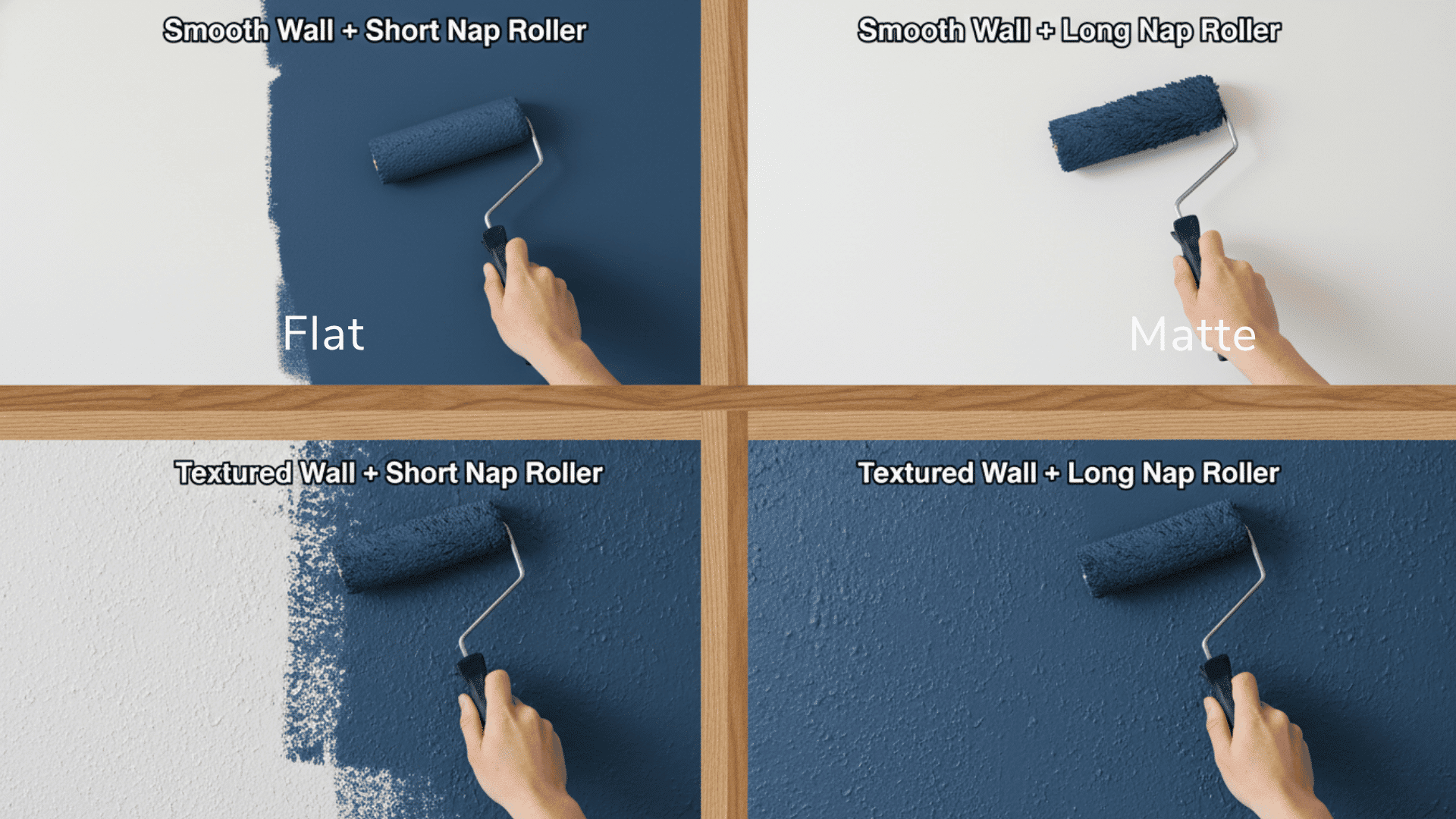
Mark the stored cover with useful details such as the coating used and its nap specification. That label helps you judge whether it suits another task. Our guide to choosing paint roller nap for walls covers selection; cleaning alone does not make every cover suitable for every texture.
Inspect the cover before its next project
Before reuse, inspect for stiff paint fragments, damaged fibers, a distorted core, or a cover that no longer seats correctly on the frame. Test a questionable cover on a suitable sample surface before committing it to a finished wall. Replace it if its condition prevents an acceptable result.
Keep disposal decisions separate from the question of whether the roller looks clean. EPA warns against mixing household hazardous wastes and directs households to local management options. Do not combine unknown leftovers or move hazardous products into food containers. Follow the actual labels and your local agency’s instructions for the residues you created.
A repeatable cleanup routine starts before paint dries and ends only when the tools are clean, fully dry, and protected for storage. Identifying the coating, containing the waste, and inspecting the cover are more useful than relying on a fixed washing time or assuming a reusable roller will last indefinitely.