A draft across the entry floor often sends you looking for a replacement door sweep. Before you buy one, close and latch the door and find where the gap is. The flexible piece attached to the door may be torn, or the soft insert in the threshold may be the part that has worn down. A new sweep can also drag on a rug or make a door hard to latch if it reaches too far.
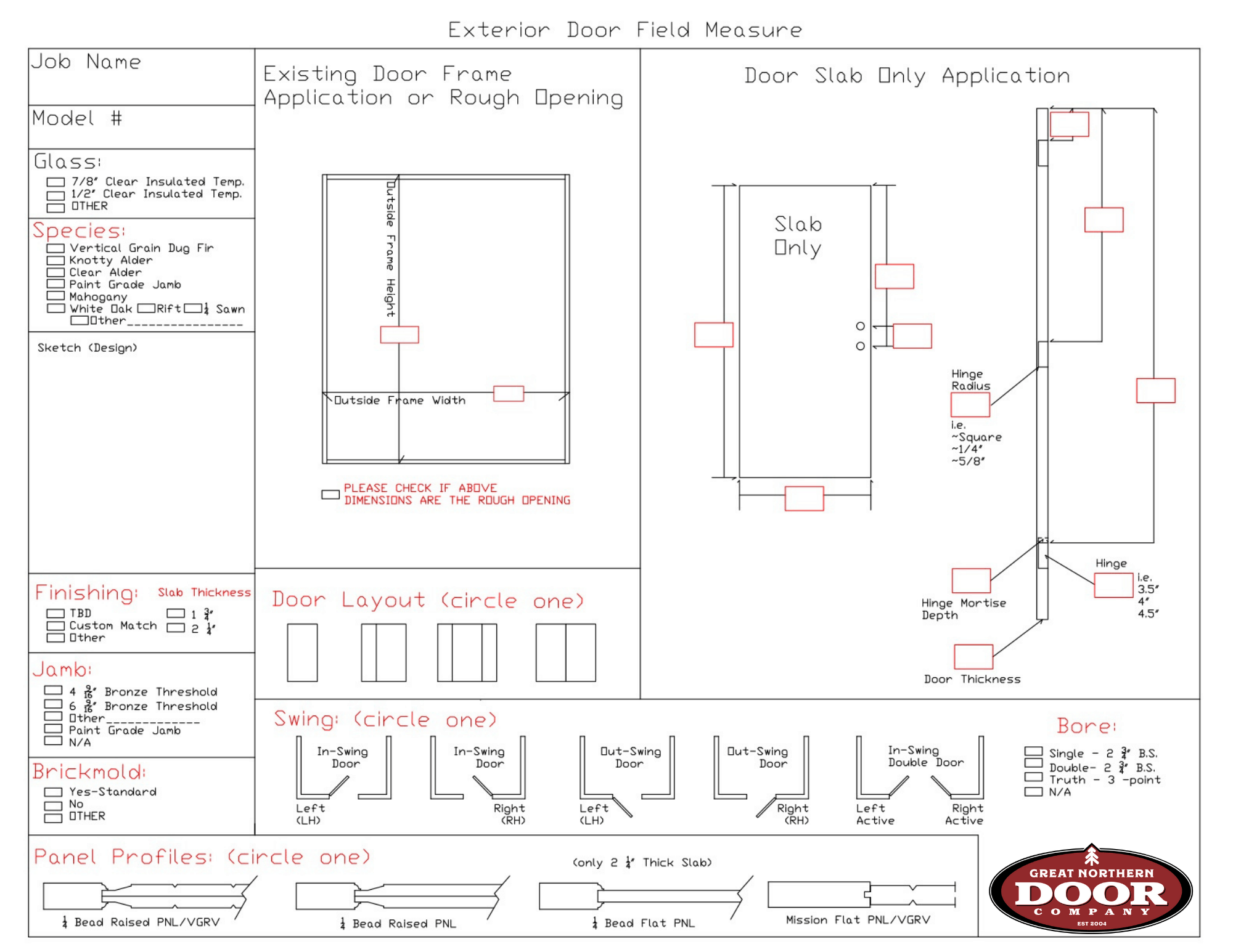
For an ordinary exterior entry door, take five minutes to compare the existing parts and write down a few measurements. Bring the notes and a photo to the hardware store or use them to check a product drawing online.
Find the gap with the door latched
In daylight, look at the closed door from inside the entry. Check the bottom center and both bottom corners, then look up the latch side and around the top. A continuous gap along the bottom points you toward the sweep and threshold. If the opening continues up one side, inspect the jamb weatherstripping separately. Improving the bottom contact leaves a gap on the side untouched.
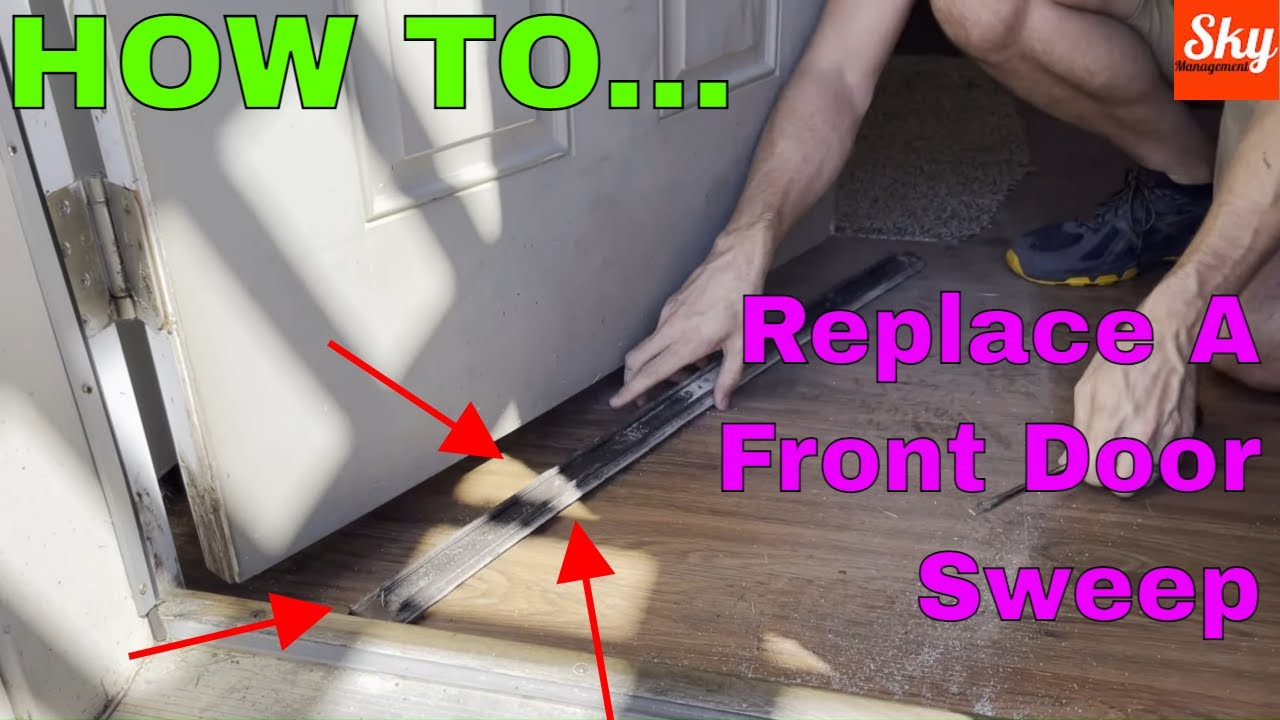
Open the door and photograph the bottom edge from both faces. Find out which part moves with the door. The sweep or door bottom is attached to the moving door. A soft strip that stays on the sill may be a replaceable threshold insert. Minnesota’s Home Energy Guide advises checking whether new inserts can be purchased separately when the rest of a threshold is sound. A loose sill or a door that already binds at the jamb needs its own diagnosis before you fit new hardware. [4]
Look for a label on the door or a model number on the threshold. If the old sweep is attached to the face, you may be able to see its fasteners. A piece that disappears into the underside may fit a groove cut into the door. Get a close picture of the exposed end before pulling anything out. That view often tells you more than a photo of the front of the door.
Measure the opening and the part that has to fit
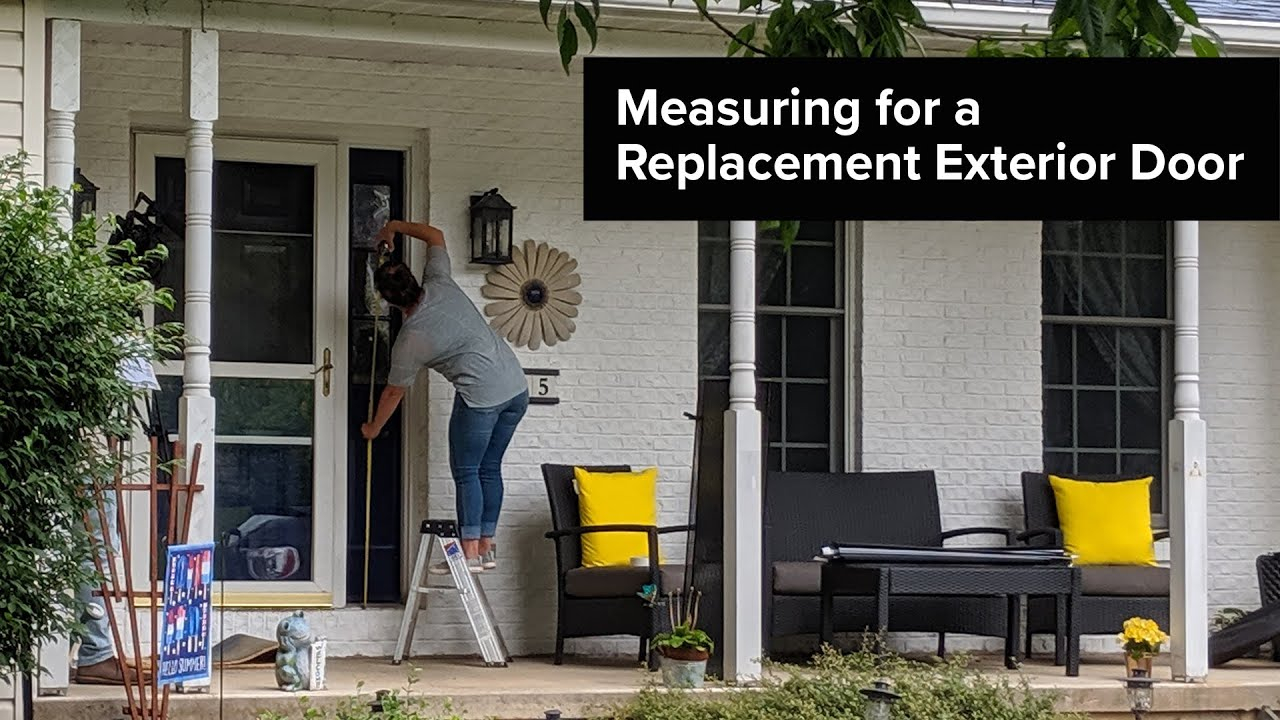
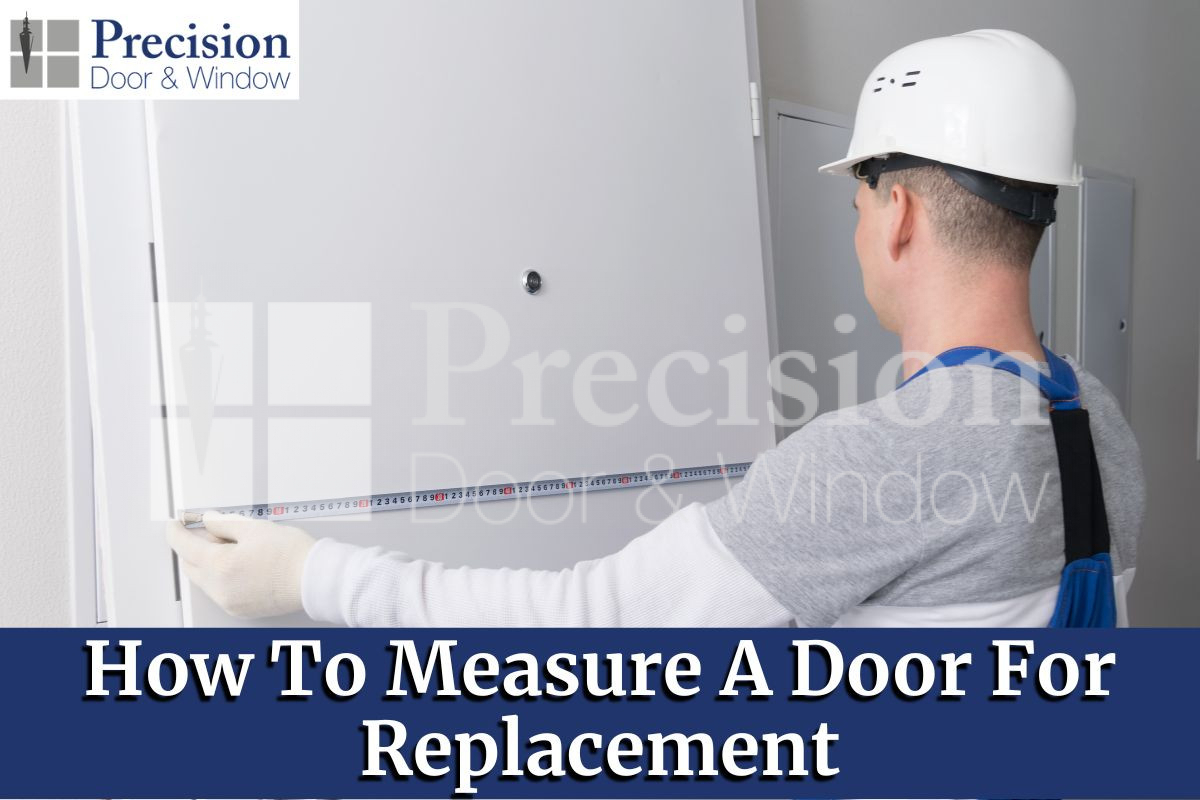
Measure the width of the door itself at the bottom, and measure the thickness of that bottom edge if a replacement would wrap around it. With the door latched, check the gap at the hinge end, the middle, and the latch end. Use a ruler or a thin stack of known thickness without compressing any flexible part. Write down the smallest and largest gaps. Frost King’s fitting guide identifies gap size, door width, and door thickness as the basic measurements for selecting a sweep. [3]
For example, your notes might say that the door is 36 inches wide and that the bottom gap varies from 3/16 inch at one end to 5/16 inch at the other. Those figures describe one hypothetical door. Compare both gap readings with the range on the packaging and check the manufacturer’s width and trimming instructions. When the new seal has to reach too far at one end, it may press too hard at the other. A gap that changes abruptly or an old threshold that moves underfoot is a reason to look at the door or sill before buying.
Match the attachment and check the swing
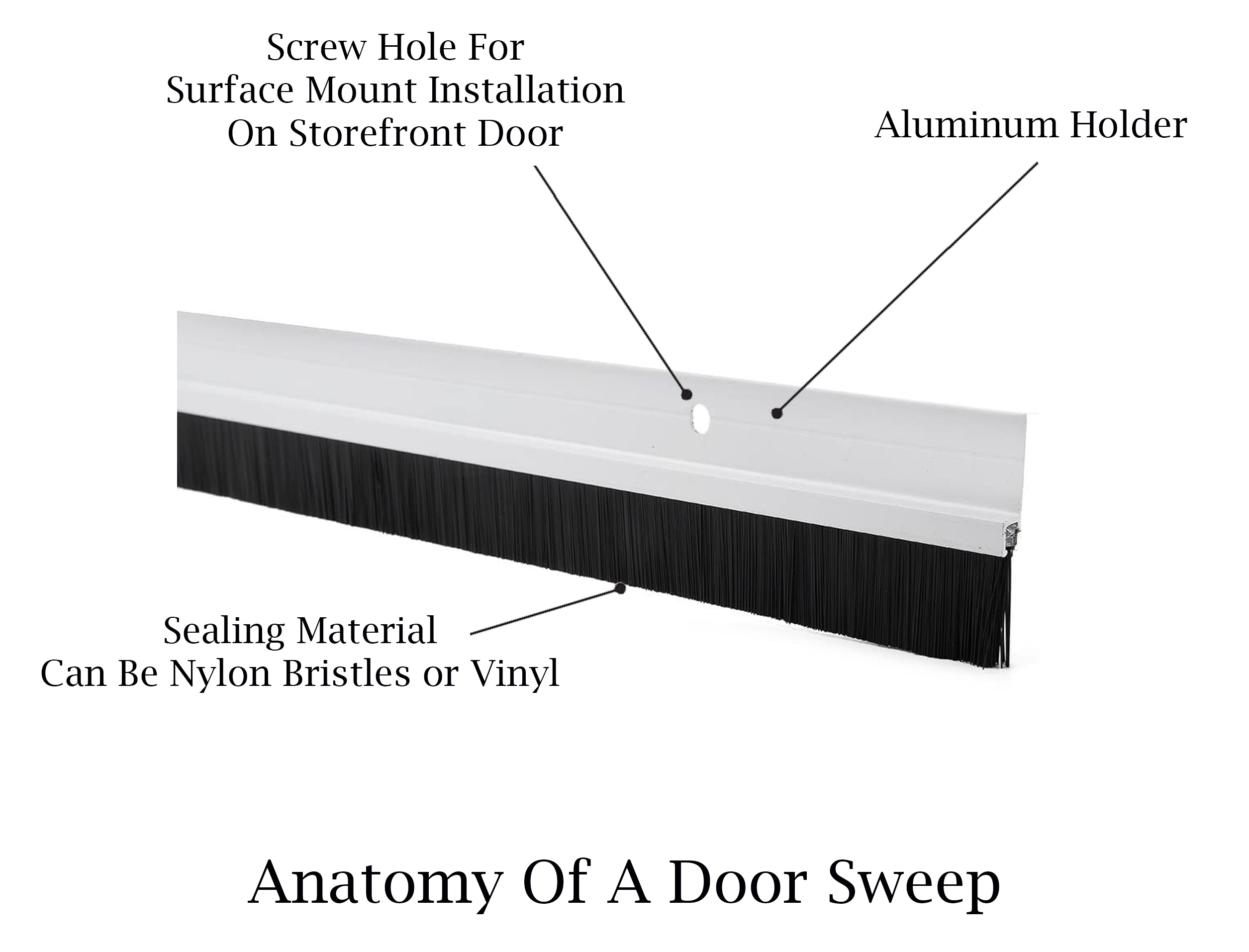
If the existing sweep snaps into grooves, use the door model or compare the actual profile with the replacement drawing. Match the groove spacing and the shape of the part that goes into it. A face-mounted model is another option on a compatible door. The maker’s fitting instructions should tell you which face it mounts on, how it attaches, and whether it can be trimmed. For an entry you use all day, an adjustable fastener track can help you fine-tune the fit after testing, especially if the threshold is uneven.
Before making holes, open the door through its full swing. Watch for a raised tile edge, a thick entry mat, or a higher spot in the floor where the flexible fin would pass. Check the proposed mounting face and leave room for any storm door hardware or other trim. If the door has a labeled rating, use the door manufacturer’s approved replacement and instructions, or ask the manufacturer about options before altering it.
Test the fit before calling the job finished
Follow the instructions for the specific part, including the fastener locations and any adjustment slots. On an adjustable sweep, set it so the flexible edge meets the threshold when the door closes. Try it gently through several full swings and then latch the door from both sides. If it sticks, inspect the point of contact and use the product’s adjustment range to relieve the pressure while checking that the seal reaches both corners.
Look along the bottom again in daylight. If you still see light at a single corner, look at the junction between the jamb seal, the threshold and the sweep. An opening at that junction can remain even if the center now seals well. If the door closes easily, the bottom edge makes even contact, and the sweep clears the floor through the full swing, keep the model number and measurements with your home records for the next replacement.