If the twist wand has come off your cordless wood blinds, look at the top of the wand and the fitting under the headrail before ordering anything. A missing wand or cracked connector can be a small repair when the fitting on the blind is intact. An intact wand that turns without moving the slats calls for a different check. The part hanging down turns the slats, while the cordless lift uses the bottom rail on the manual wood-blind system shown in LEVOLOR’s installation guide. [3]
Check the wand and the fitting under the headrail
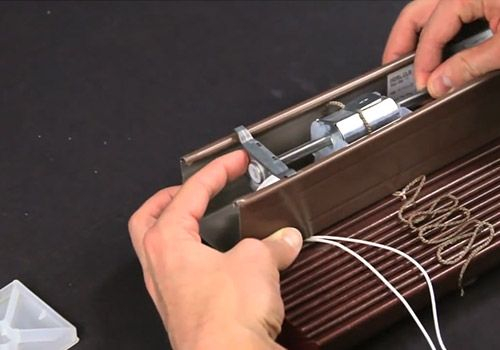
Work in daylight with the blind low enough that you can see the slats move. Stand on a stable step stool if you need to reach the upper trim. Look up where the wand attaches and take a photo. If a decorative valance hides the fitting, use your model’s instructions before removing the trim. Support loose parts with one hand so they cannot drop onto the slats. Give the wand a small turn in each direction, then stop if it binds instead of moving freely.
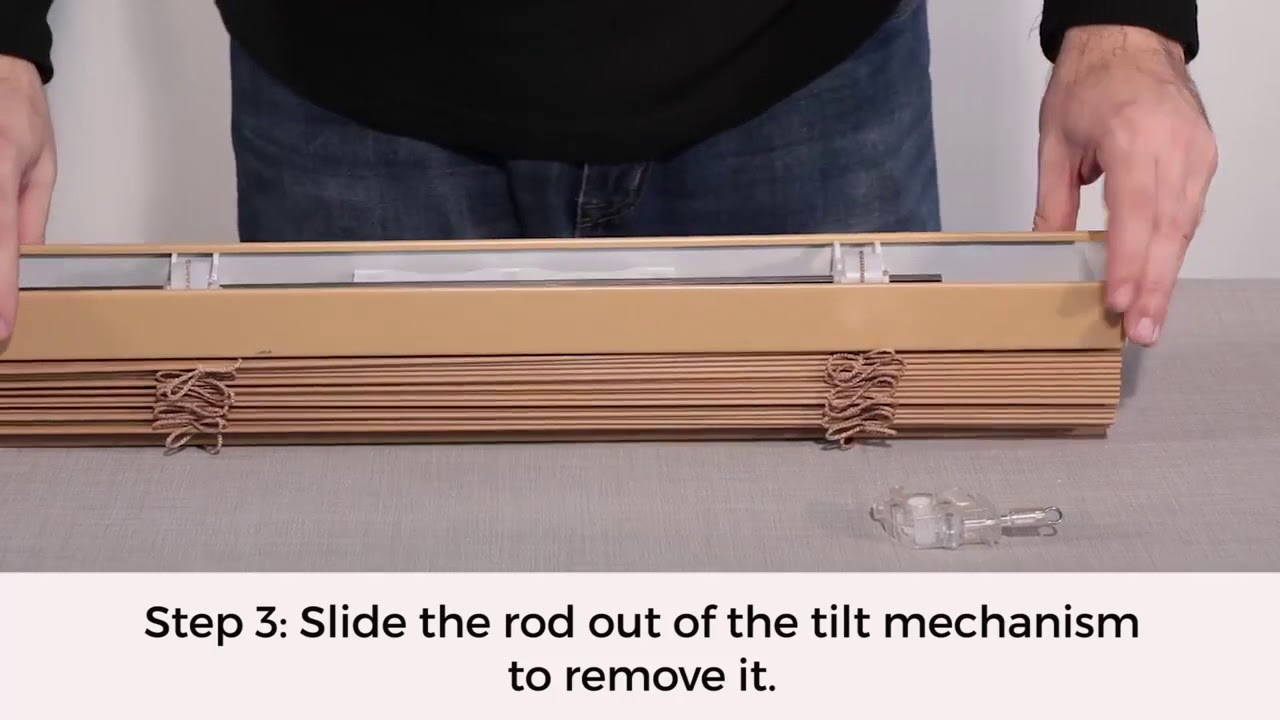
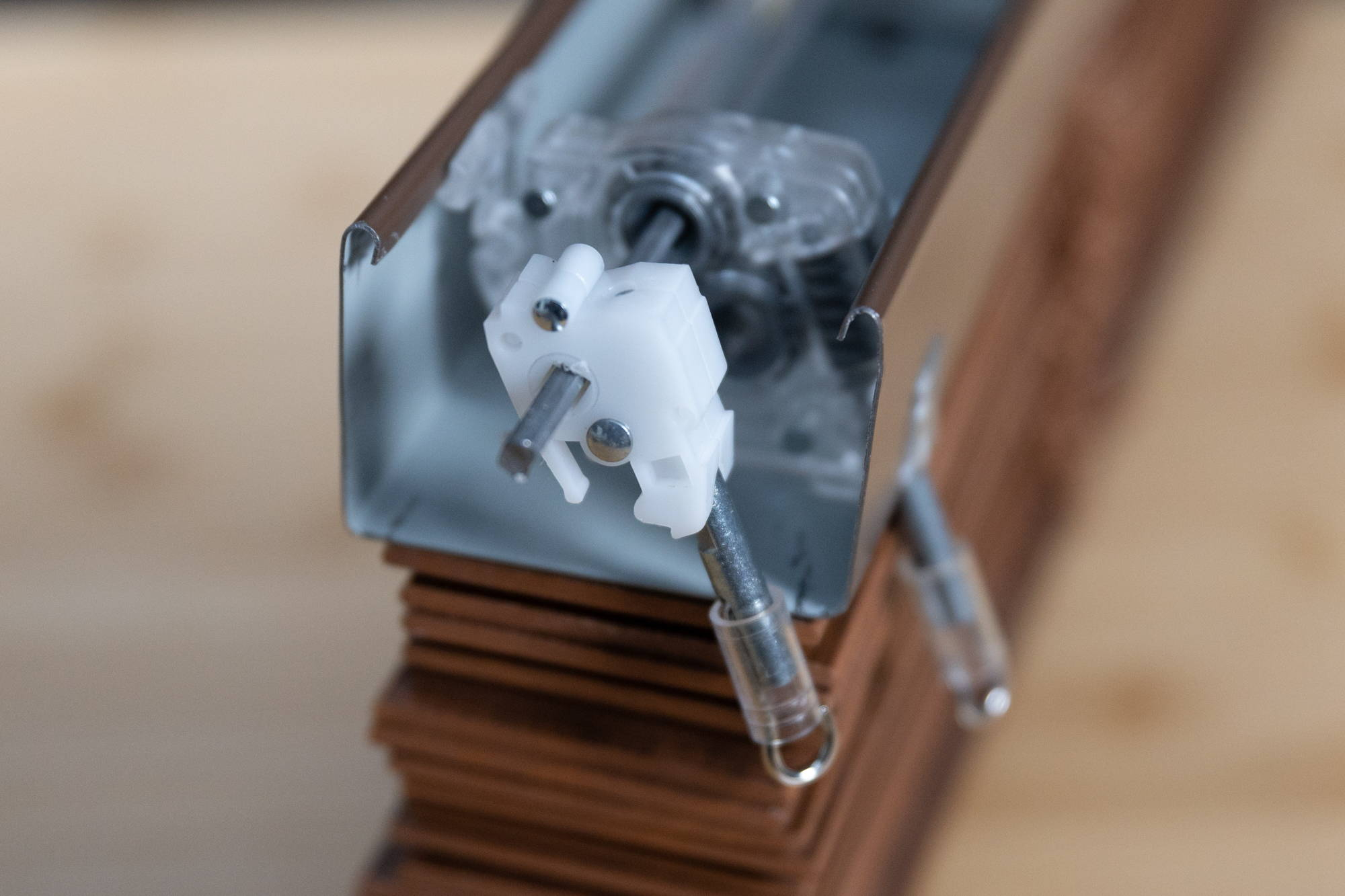
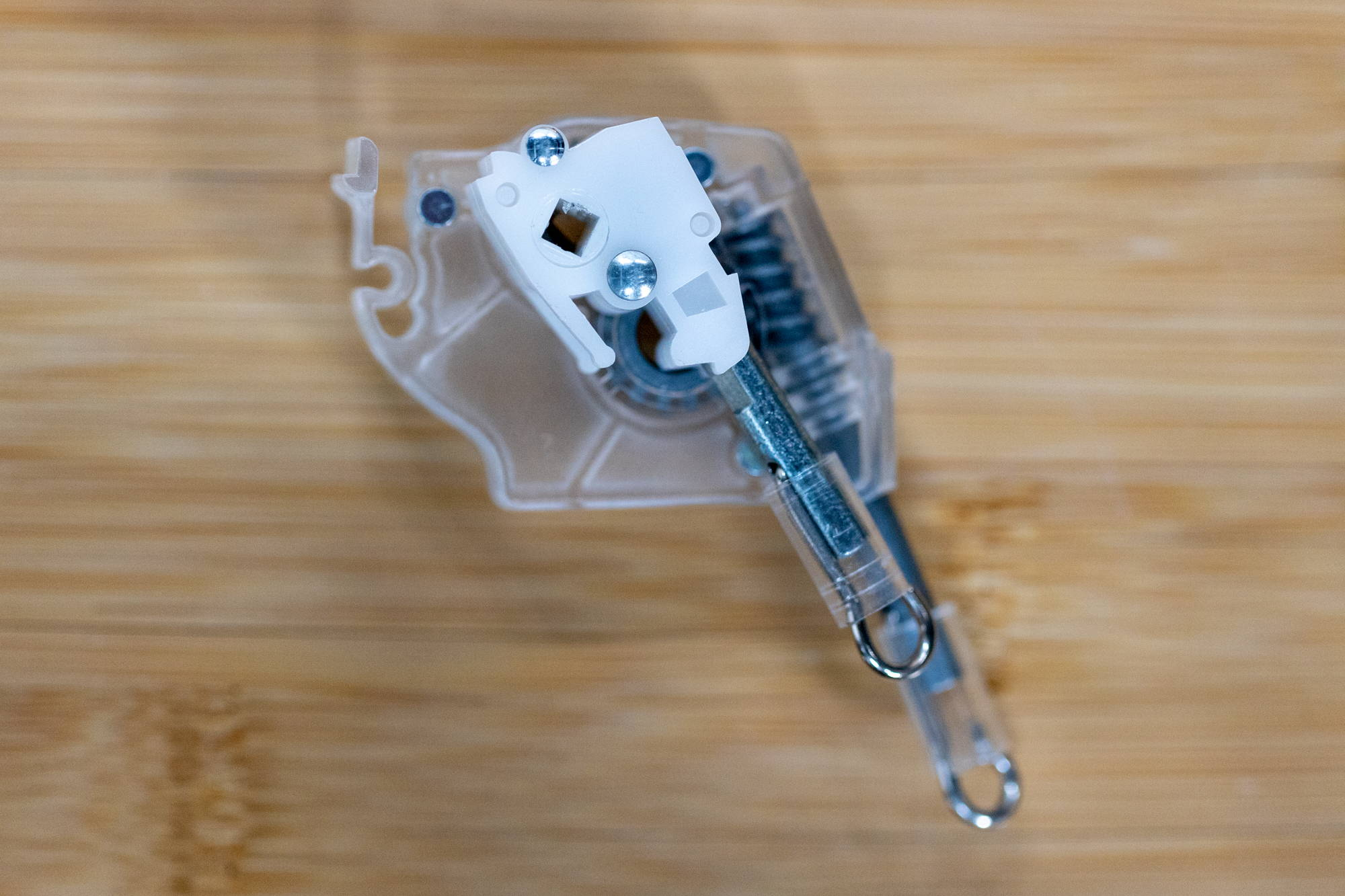
If the wand has fallen off, compare both sides of the connection. On the hook-and-sleeve design in the LEVOLOR guide, the wand hook goes through a hole in a metal shaft and the plastic sleeve keeps the hook seated. A broken hook or split sleeve with a visibly intact shaft points toward a replacement wand or connector from the maker. A damaged shaft, a loose fitting that moves as a unit, or a wand that stays connected while the slats remain still points toward the tilt assembly or the linkage inside the headrail. [3]
Check a second symptom before you buy. If tilting works but the blind will not raise evenly, write down the lift problem as a separate issue. If only a few slats fail to follow the others, look for a slat caught on the window trim or sitting out of line with its neighbors. Tell the manufacturer’s support desk which movement failed and whether all the slats react together. That gives them more to work with than a note that the blind is stuck.
Match the connector first, then pick the reach
Use the order confirmation, product label, or instruction sheet to identify the brand and model. Take a straight-on photo of the part under the headrail and another of the top of the old wand. Ask the parts supplier to confirm the connector, including whether the hook and retaining sleeve come with the wand. Include the slat width if your model has it listed. Measure the old wand in inches from its attachment end to the bottom of the handle, without counting the shaft that stays on the blind.
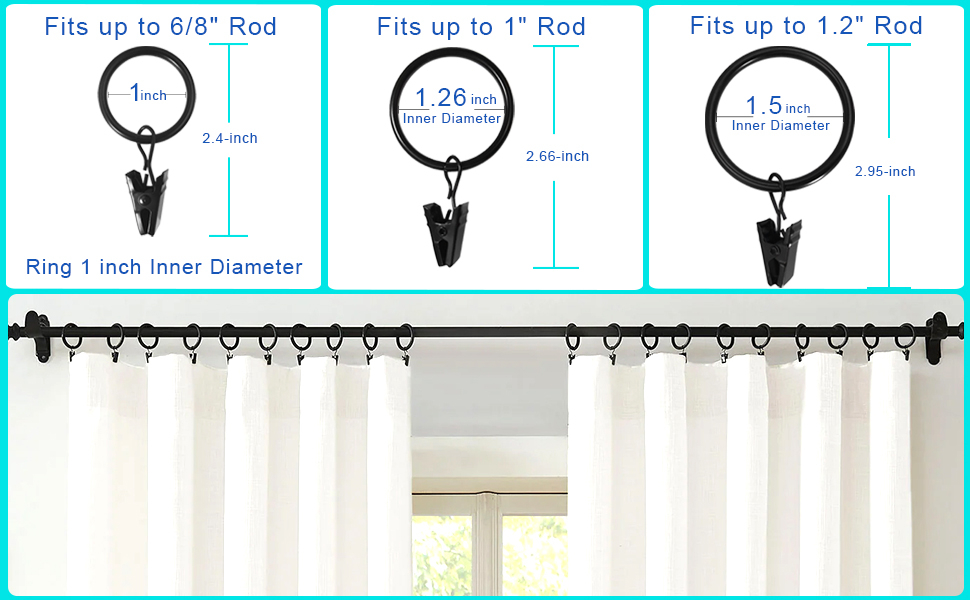
If the old wand is gone, mark where you can comfortably take hold of a new handle. Compare that spot to the underside of the headrail and check the clear path through any valance or curtain. For example, if the attachment is 24 inches above the grip position you want, hold a tape there to see where a wand of about that length would land. Confirm how the supplier measures its wands, since the advertised length may include the connector. Where you have both blinds and drapes, check that the wand stays reachable after the fabric is drawn. For another part of that setup, see the guide to choosing curtain rings for an existing rod.
Install the matching wand and test both directions
Confirm your manual shows the same hardware as your replacement. For the hook-and-sleeve connection shown in LEVOLOR’s wood-blind guide, the sleeve goes over the exposed metal shaft first. Bring the wand hook through the hole in the shaft, then bring the sleeve down over the connection until it sits firmly. Keep the assembly supported as you work. If the hook will not enter the hole or the sleeve will not seat, stop to compare the fitting with your manual and the product photo before applying pressure. [3]
With the wand hanging freely, turn it gently in both directions. Look across the blind while you do this. The slats should turn together and the connection should stay seated. Stop at the normal end of travel if you feel resistance. With the trim back in place, test again to catch a wand that rubs against the valance or a sleeve that hits the trim. If you also check the lift, follow the manual’s instructions for the slat position. The LEVOLOR guide calls for open slats when raising or lowering the system covered here. [3]
When to ask about the tilter instead
If the hook holds, the shaft turns, and the slats still do not move, contact the manufacturer before buying a second wand. The LEVOLOR troubleshooting guide points to the connection between the rod and the tilt gear inside the headrail as one check for this symptom. Ask for the instructions and part number for your exact model before opening the rail. Send the two connector photos and explain whether the slats move at all, whether the shaft wobbles, and whether the bottom rail still lifts evenly. A compatible wand should turn the slats smoothly in both directions with the sleeve seated and the handle clear of the trim. [3]
Reference