Test wall paint colors on movable sample boards by comparing the same short list beside your trim, flooring, and furniture under the light you use every day. A board can go behind the sofa in the morning and beside the hall opening after dinner. Keep the sample format consistent across colors so you can make a decision from those comparisons before buying paint for the room.
Write down what each color needs to work with
Start with the parts of the room you expect to keep. In a living room that might be a cream sofa, oak flooring, and a white window casing. In a kitchen it could be the cabinets and the largest stretch of countertop. Pick two or three places where the wall color meets those materials. The goal is to learn how each color looks at an actual boundary, where you can see both surfaces at once.
Decide when the room’s appearance matters to you. If you work at the dining table during the day and eat there under pendant lights at night, use both conditions. If you mostly use the den in the evening, give the usual lamp setup extra weight. Sherwin-Williams describes a kitchen designer’s practice of moving large samples around the room at different times of day. Sherwin-Williams on testing kitchen colors
Make one board for each shortlisted color
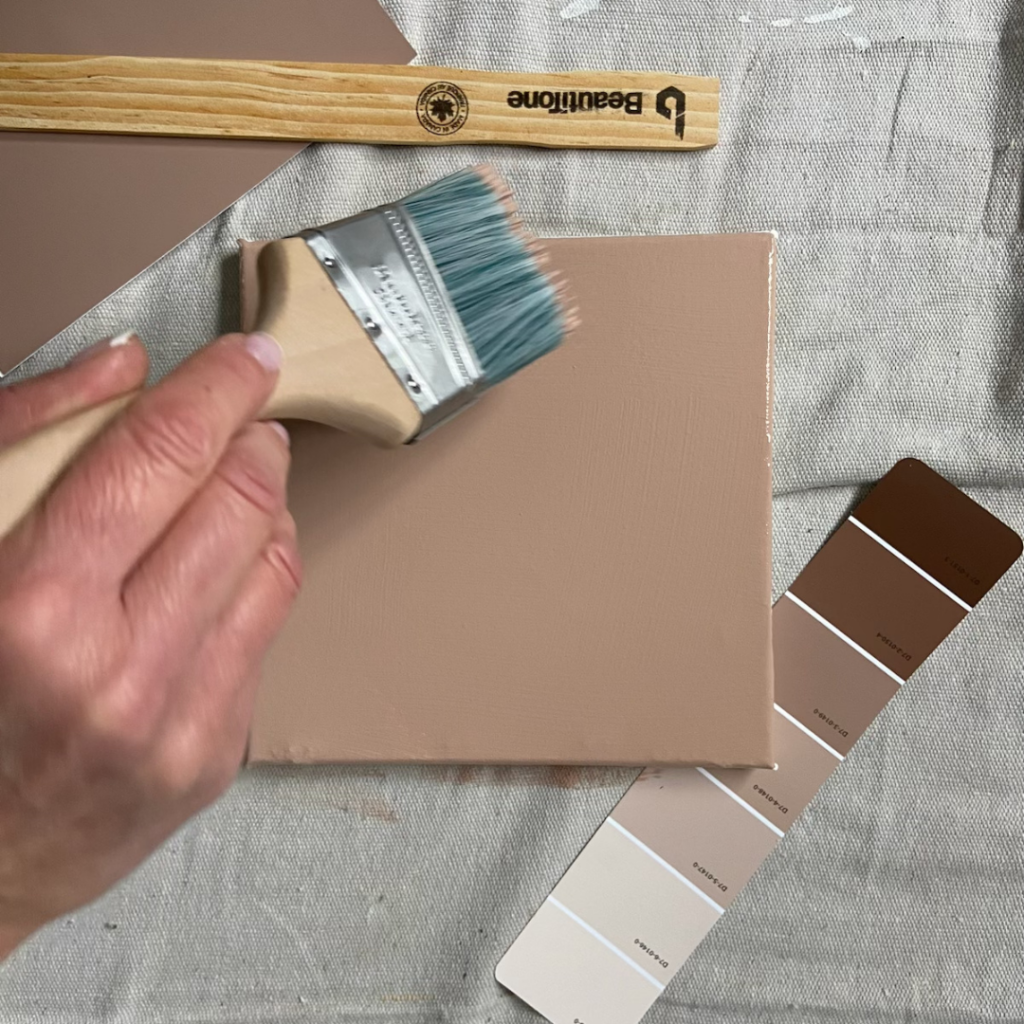
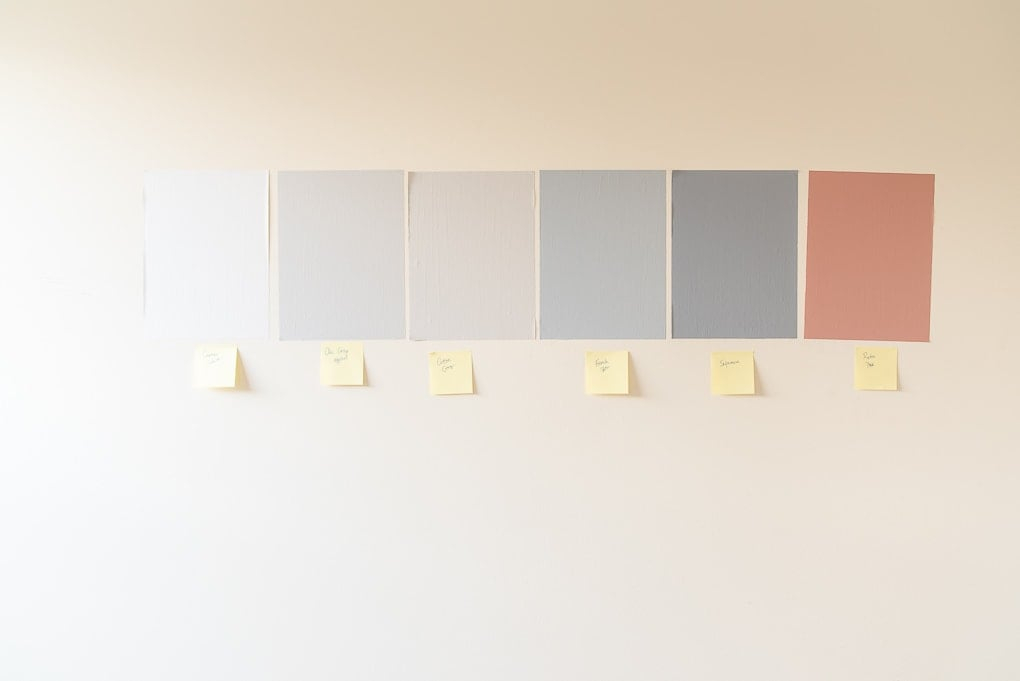
Use matching pieces of board that your sample paint can coat. A piece around 12 by 16 inches is a practical starting size if you can handle it comfortably, and you can go larger where the room allows. Start with the same board color and surface for each sample. Label the back with the paint name, color code, product or sample line, and finish. If you have two near-whites, give each board a simple letter too so you can take notes without relying on the names.
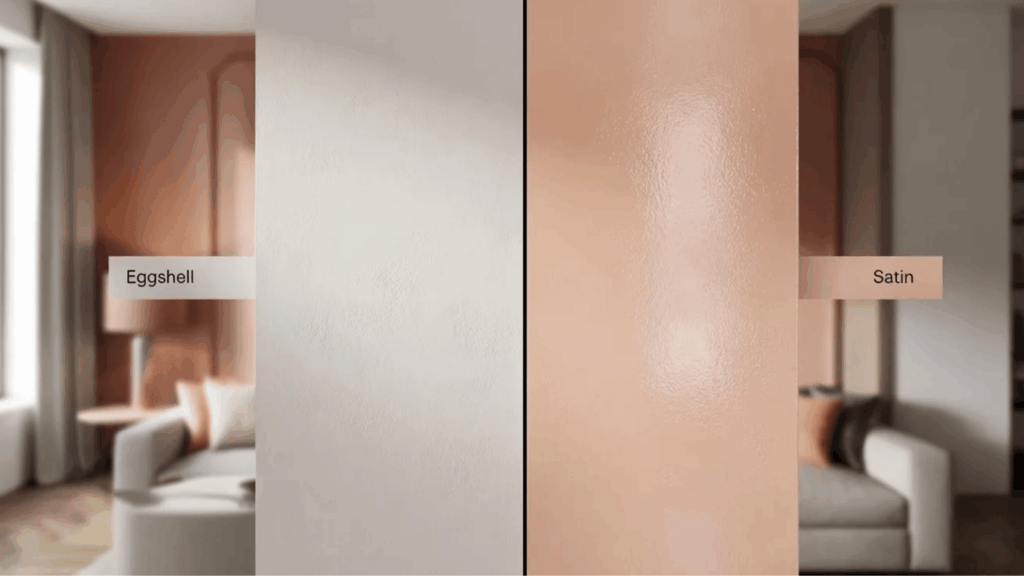
Apply each sample as its product directions specify and allow all the boards to dry before comparing them. Use the same application method across the boards to keep brush or roller texture consistent. A color sample from a different product or sheen can help you narrow the hue. Check the chosen color in the actual finish and on a representative surface before making a decision that also depends on reflection or wall texture. Guide to comparing eggshell and satin wall finishes
Move the boards through three places in the room
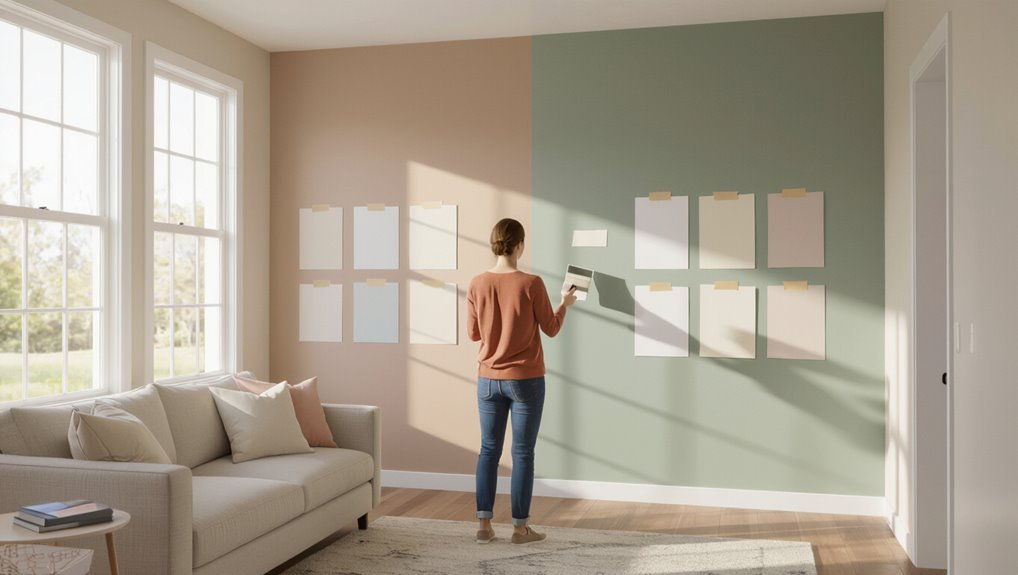
Hold each board upright and close to the wall at the first location. Use a stable support or have someone hold the board. Begin with the wall you see from the doorway, then try a darker wall and a spot beside a fixed finish such as trim or tile. If the walls connect to another room, include the view from that opening. A color that works on its own may look different beside the adjoining room’s floor or wall.
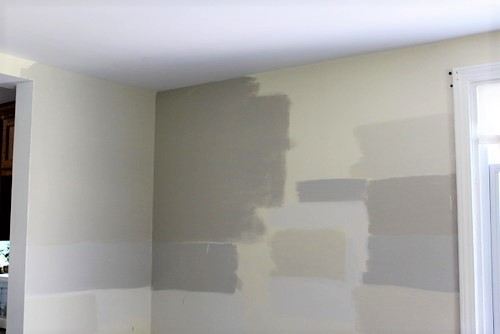
Compare the colors side by side briefly to notice their relative warmth or depth. Then hold one up at a time in the same spot. That second look makes it easier to tell whether a shade seems yellow only beside a cooler sample or also looks yellow next to your actual trim. If the current wall color is visually dominant, try framing the board with a larger piece of plain white paper during the first comparison. Remove the paper afterward and put the board next to the surface it will actually meet.
For a room with a large painting or textile, hold the boards close to the piece from the normal viewing distance as well. Sherwin-Williams suggests using painted poster board near artwork to see how the proposed wall color behaves under natural and artificial light. Sherwin-Williams on comparing paint and artwork
Use a short record to make the decision
Draw three columns on a sheet of paper for the three spots you chose. Give each board a line for daylight and one for your ordinary evening lights. Write the observation beside the condition that produced it. A note such as “Board B looks dull at the oak floor with the pendants on” is easier to act on than “B seems wrong.” If a result surprises you, repeat it on another day when the room has different daylight and record what changed.
Imagine two soft whites in a kitchen with painted cabinets. Board A looks similar to the cabinet color in daylight, but the difference becomes obvious when you turn on the under-cabinet lights. Board B is visibly deeper throughout the day and still looks good next to the cabinets after dark. You can choose the intentional difference if the evening view matters most. If neither board works near the cabinets in your usual light, keep those notes and bring a third color into the same test.
Keep the winning sample for the final check
Once a color works in the views you care about, check the name and code against the order and confirm the paint line and sheen. If the approved sample came from a different line, try the final product on a representative test area or test panel according to its directions. Look again beside the same trim and under the same lamps. A labeled board and a few observations give you something concrete to compare before you commit to the whole room.